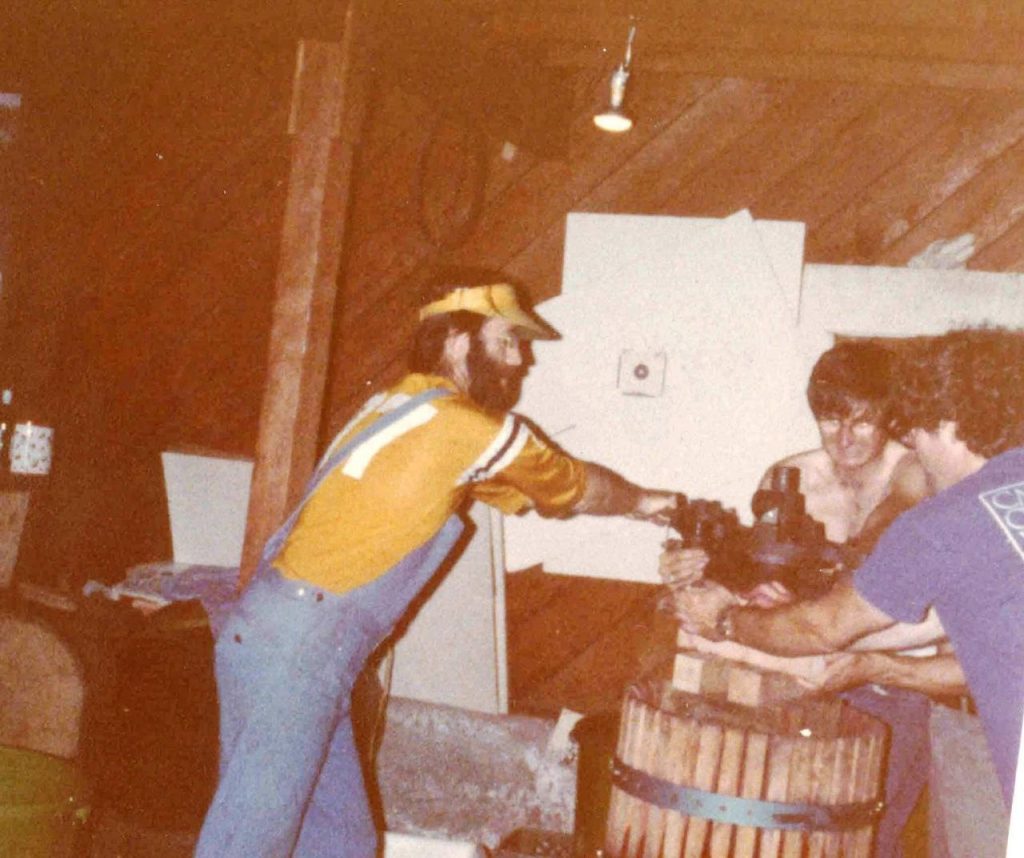
We are a small-lot winery dedicated to exploring California’s historic varietals and heritage winemaking techniques. We take inspiration from the expressive and vibrant wines made by Californian winemakers in the 70s; we grew up drinking wines that married California’s generous fruit with the elegance and structure of the old world. These wines are still transcendent 50 years on, but this legacy has been mostly abandoned, as have the techniques and varietals that first made California’s reputation. We believe that by returning to California’s historical winemaking roots, we can make wines that are inherently reflective of vineyard, vintage, and varietal.
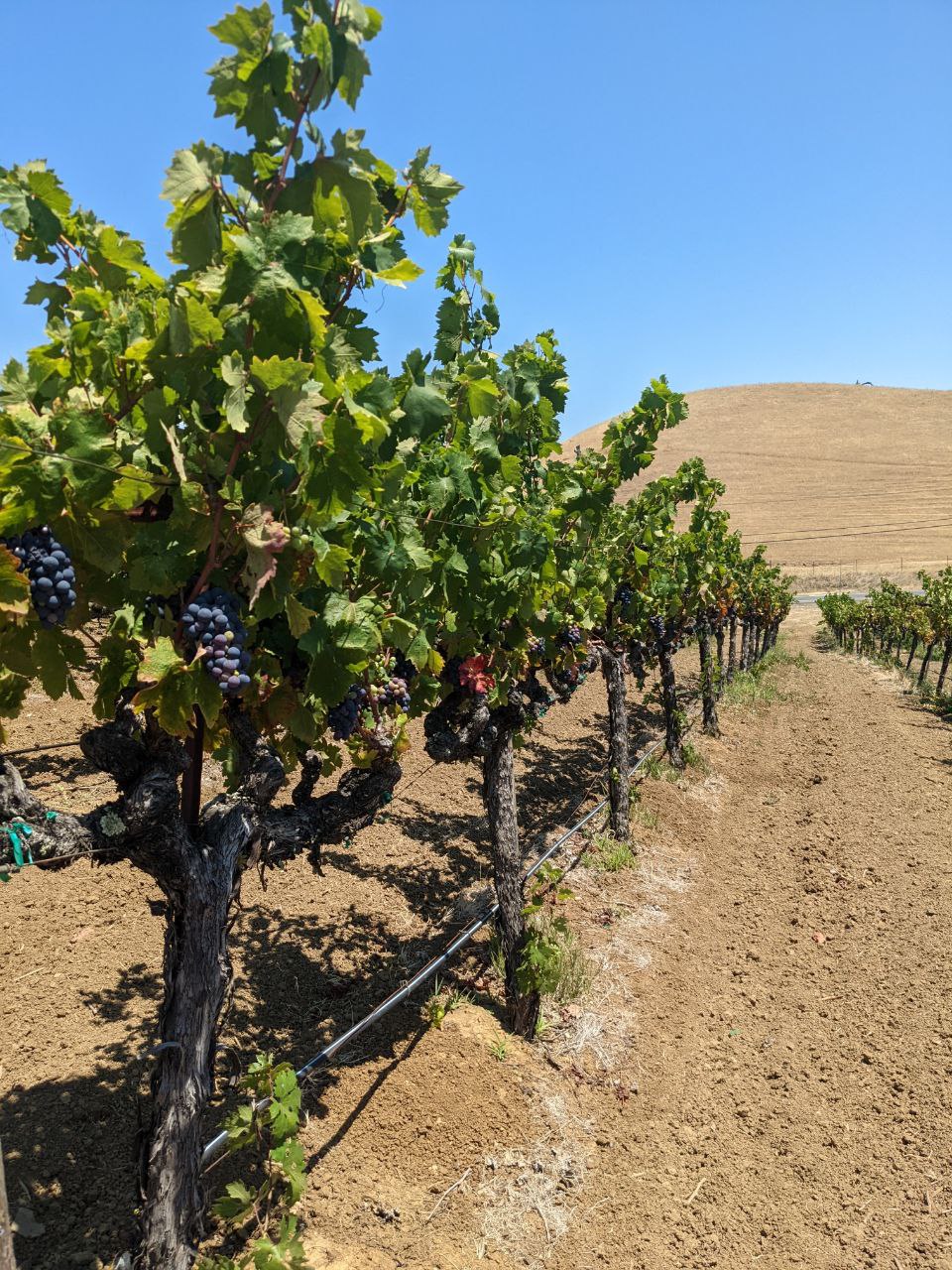
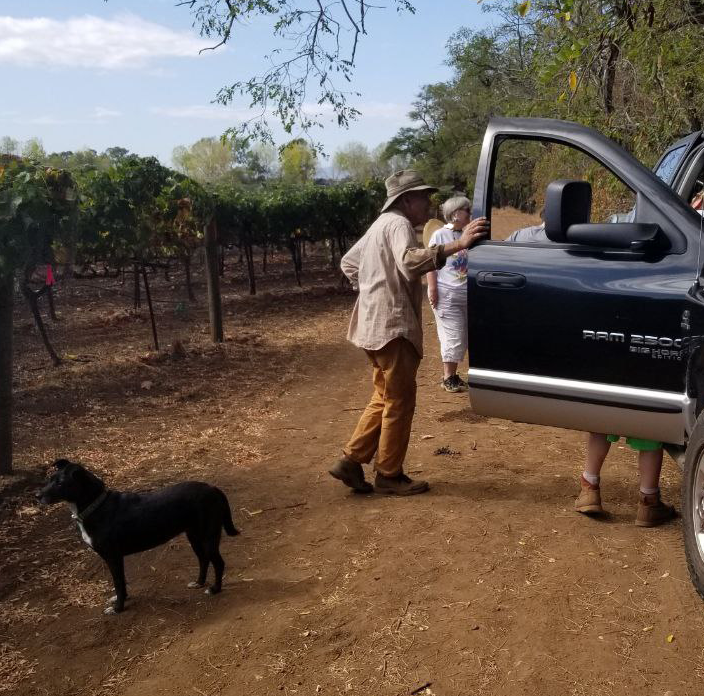
Our philosophy is rooted in intention and collaboration: We believe winemaking is a collaborative art form, one which starts with the collaboration of grower and vines and ends with the care and intention of the winemaker in the cellar. Our growers cultivate their vines and their mastery of the interplay between varietal, climate, and soil allows them to coax forth fruit that is the highest expression of terroir and varietal even in challenging years. This allows us to maintain a consistent house style across vintages while preserving the character of each site. Every decision in the vineyard- from crop load, trellising, canopy and soil management – is made with great intention and care.
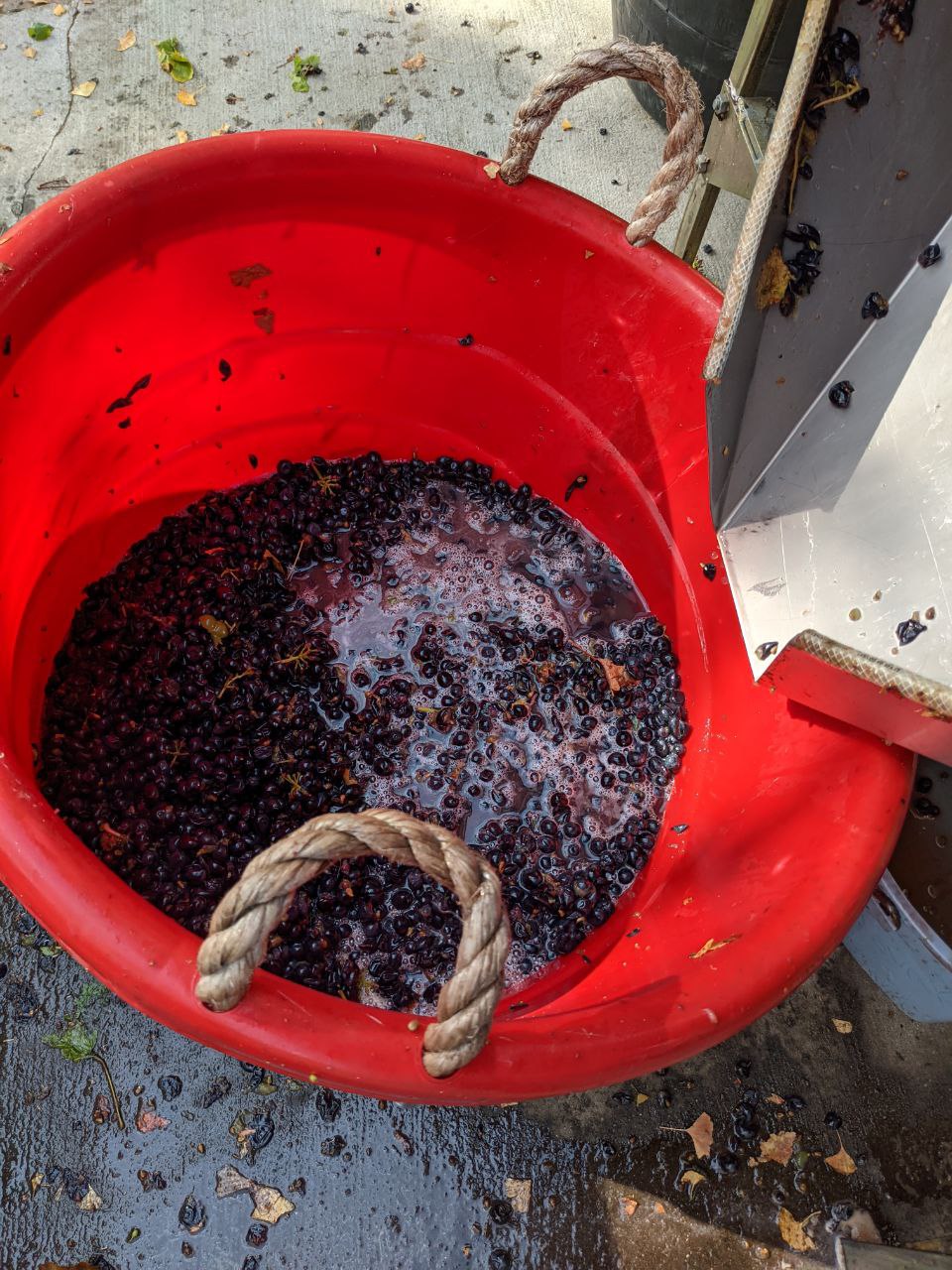
We carefully track the fruit as it develops, walking the vineyard with our growers throughout the season and making calls on leaf pulling, fruit drop, and harvest timing in response to real-time conditions. By harvest, we know the fruit well enough to respond to its strengths rather than impose formulas or fashion. We call our harvest timing by tasting the grapes day by day, watching for the narrow window around 23° Brix when phenolics round out and the fruit gains depth without tipping into overripeness or losing its natural acidity. In the cellar, we rely on gentle, integrative methods drawn from historic winemaking practices: our picking targets, ambient fermentations, brown juice, and commitment to pressing off before dryness all reflect practices that work with the fruit to elevate and reveal what is best about it. Great wine requires art, not dogma. Our philosophy of intentional craft from vineyard to cellar allows the fruit to shine without the obscuration of manipulation or neglect.
Portfolio History & Future
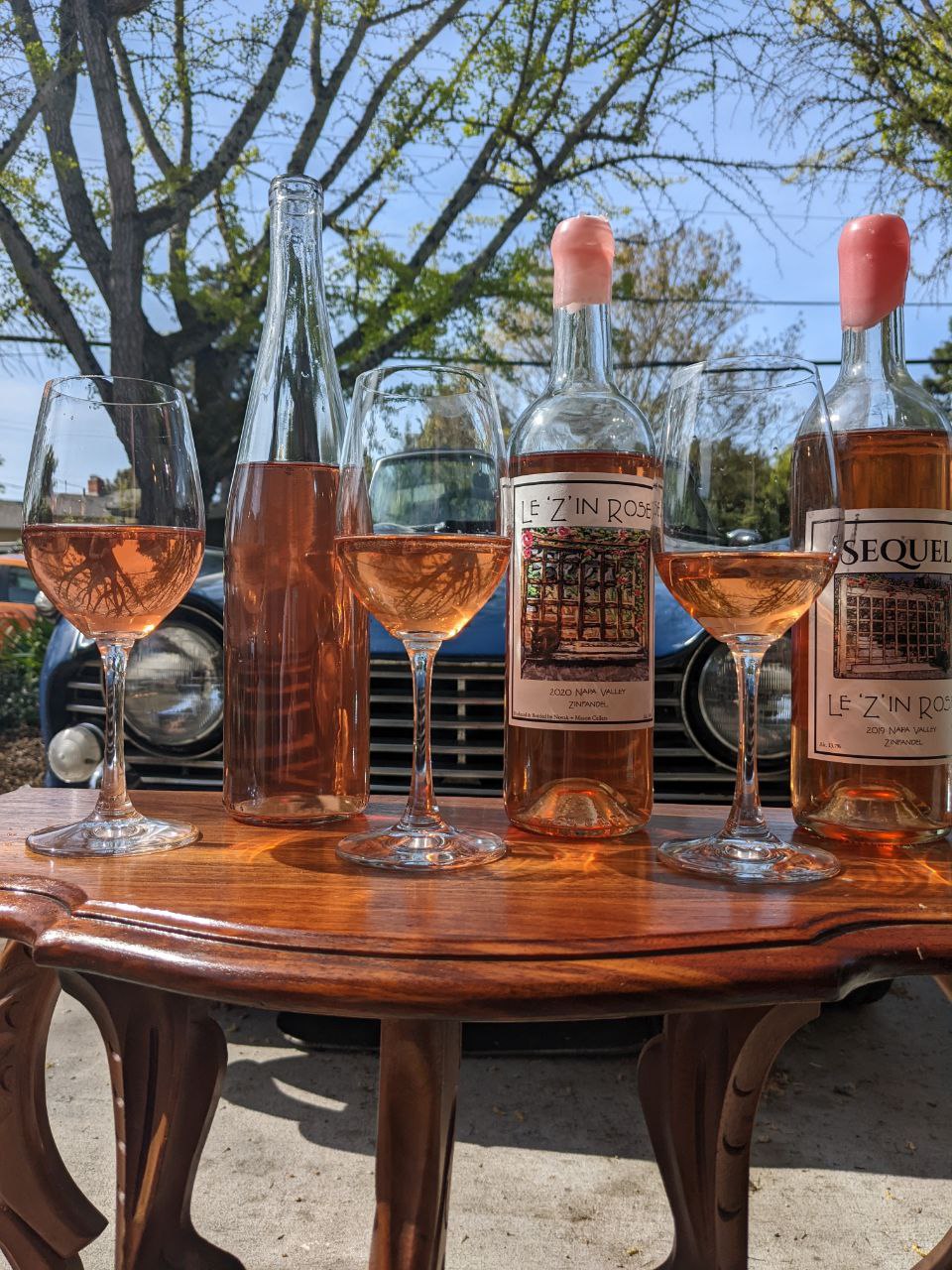
We work with varietals whose natural energy, aromatics, and tannin profiles allow us to craft wines that are layered, elegant, and emphatically fresh. Our flagship mission is the revival of elegant, structured Zinfandel, believing it to be more reflective of California than any other varietal. It is complemented by our Zin Rosé and select single vineyard bottlings. Our core offerings also include Pinot Noir and Chardonnay. We reserve capacity for limited run reserve wines that allow us to continue our exploration into California’s vinous history and showcase exceptional sites and heritage varietals. This category currently includes our dry Muscat Canelli.
As we grow, we anticipate expanding our focus into other historic California grapes known for structure and longevity, such as Chenin Blanc and Semillon. This continued commitment to revival ensures our portfolio remains reflective of California’s diverse wine legacy.
We are committed to utilizing gentle, integrative methods in the cellar to build texture and complexity over simple extraction. Examples include ambient/mixed fermentations, pressing off before dryness to avoid harsh seed tannins, and utilizing sur lie aging and barrel regimens in our white and rosé wines to promote texture and body.
(Anne) Mason & (Rachel) Novak
Anne studied human behavior and now applies her love of science to her love of winemaking. She focuses on logistics and operations for Novak & Mason Cellars, and in addition to bringing order to chaos, she provides the drive and vision that boils the what-ifs and maybes into action. When not enjoying a bottle of Pinot Noir, she can be found wielding spreadsheets, wrangling businesses, and spending time with her family. Her favorite wines are bold, well-structured, savory, and elevated. Her favorite part of winemaking is orchestrating the movement of wine, whether during racking or in the joy of a well-organized bottling line.
Rachel studied Classics and Ancient History, and now works in the spheres of open source and online community, and has embraced winemaking as a creative outlet away from the world of technology and terrible people on the internet.